Latest Episode

#17: DOAS Explained
DOAS stands for Differential Optical Absorption Spectroscopy. The DOAS technique was conceived almost a century ago, and it was applied on research level to air quality monitoring already in the 1970s.
The presentation is based on facts from the OPSIS blog on this topic. Dialogue and voices are AI generated
Previous Episodes

#16: Recipe for Cleaner Air: Add Salt!
Particulates have become a dominant pollutant in many populated parts of the world. In cold climate areas, this may be extra notable in cities by end of winter and in early spring. This owes to the higher wear-and-tear of both tyres and road surfaces during wintertime, where resulting particles are released to the air when the roads are drying. However, there is a way to control this: add some salt!
The presentation is based on facts from the OPSIS blog on this topic. Dialogue and voices are AI generated

#15: Air Pollution Part 4 – Reduction Methods
Air pollution is undesirable, but there are ways to fight it. We wrap up this podcast episode about air pollution by taking a look at what we can do about it.
The presentation is based on facts from the OPSIS blog on this topic. Dialogue and voices are AI generated

#14: Air Pollution Part 3 – Sources of Particulates
In this podcast, we take a closer look at how particulate matter is generated, with emphasis on the smallest fractions which also are the ones with the worst health effects.
The presentation is based on facts from the OPSIS blog on this topic. Dialogue and voices are AI generated

#13: Air Pollution Part 2 – Sources of Gaseous Substances
We continue the series of podcast on air pollution by taking a closer look at where gas-phase air pollution comes from.
The presentation is based on facts from the OPSIS blog on this topic. Dialogue and voices are AI generated.

#12: Air Pollution Part 1 – What’s in the Air?
What is air pollution, where does it come from, and what can we do about it? This podcast is a first in a short series addressing these topics.
The presentation is based on facts from the OPSIS blog on this topic. Dialogue and voices are AI generated.

#11: Spring is in the Air
At the home of OPSIS, the phrase ‘spring is in the air’ is an established saying which means long-awaited warmer and longer days and the sense of a new beginning. But what’s in the air in the spring, really? Let’s take a look at seasonal variations of air pollution!
The presentation is based on facts from the OPSIS blog on this topic. Dialogue and voices are AI generated

#10: Inside the Gas Analyser – the Tuneable Diode Laser
OPSIS is probably best known for its gas analyser systems based on broad-band (“white”) light from xenon lamps and spectrometers or interferometers as the core analysis devices. However, OPSIS also offers an instrument type based on a quite different optical technique – light absorption detected by utilizing a tuneable diode laser. Let’s take a closer look!
The presentation is based on facts from the OPSIS blog on this topic. Dialogue and voices are AI generated.

#09: Buying AQM Equipment or Air Quality Data – It’s Your Choice
In the traditional approach to air quality monitoring, those “who wants to know” have also owned and maintained the monitoring equipment generating the answers. However, recent years’ slimmed organizations have opened up for an alternative: to buy air quality data instead of hardware. What are the pros and cons of the two approaches?
The presentation is based on facts from the OPSIS blog on this topic. Dialogue and voices are AI generated.
#08: Inside the Gas Analyser – the Interferometer
Some OPSIS gas analysers are based on a device called an interferometer. Like a spectrometer, it separates light into its wavelength components, but it’s done in a special and indirect way. Keep on reading to find out how!
The presentation is based on facts from the OPSIS blog on this topic. Dialogue and voices are AI generated.

#07: Selecting the Right Air Quality Monitor
There are many types of air quality monitors available, but which one is the best choice for measuring gaseous air pollutant concentrations?
The presentation is based on facts from the OPSIS blog on this topic. Dialogue and voices are AI generated.

#06: Inside the Gas Analyser – the Spectrometer
Several of OPSIS gas analyser types are based on a device called a spectrometer. It separates light into its wavelength components, allowing the analyser to detect light absorption and thereby determine gas concentrations. Let’s take a closer look at how a spectrometer works!
The presentation is based on facts from the OPSIS blog on this topic. Dialogue and voices are AI generated.

#05: New Directive on Air Quality in the European Union
A new European Union directive on air quality has been in the pipe for some years and now it seems to be only formalities left for it to become effective. The intention with the directive is to further reduce air pollution in the EU and to achieve the EU’s zero air pollution vision by 2050.
The presentation is based on facts from the OPSIS blog on this topic. Dialogue and voices are AI generated.

#04: Air Quality Monitoring in the EU – What, Where, and How?
Air quality is essential to all of us, and consequently, so is the monitoring of air quality. However, what should be monitored, and where, and how? There are many bids on that. For example, the European Union has set minimum requirements on the surveillance of the air we breathe. Let’s have a closer look!
The presentation is based on facts from the OPSIS blog on this topic. Dialogue and voices are AI generated.

#03: How Does an AQM Gas Analyser Work?
Whatever you want to detect, you need to identify a property of the object that is easy-enough to measure.
The presentation is based on facts from the OPSIS blog on this topic. Dialogue and voices are AI generated.
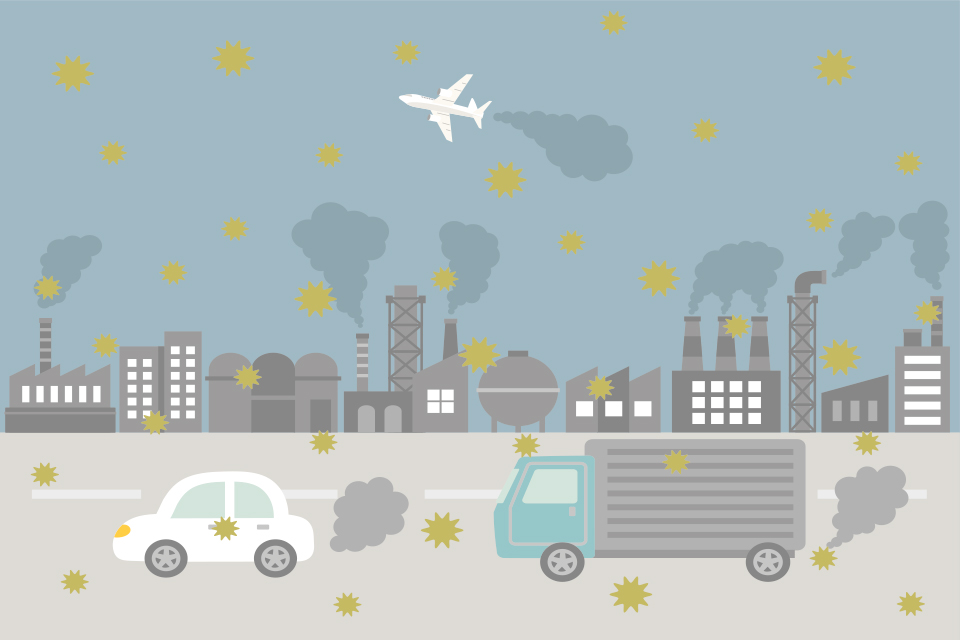
#02: Air Quality Monitoring
Measuring the ambient air quality can be done in several different ways and in different places, but why is it important to monitor, and what should you think about? Here are some guidelines.
The presentation is based on facts from the OPSIS blog on this topic. Dialogue and voices are AI generated.
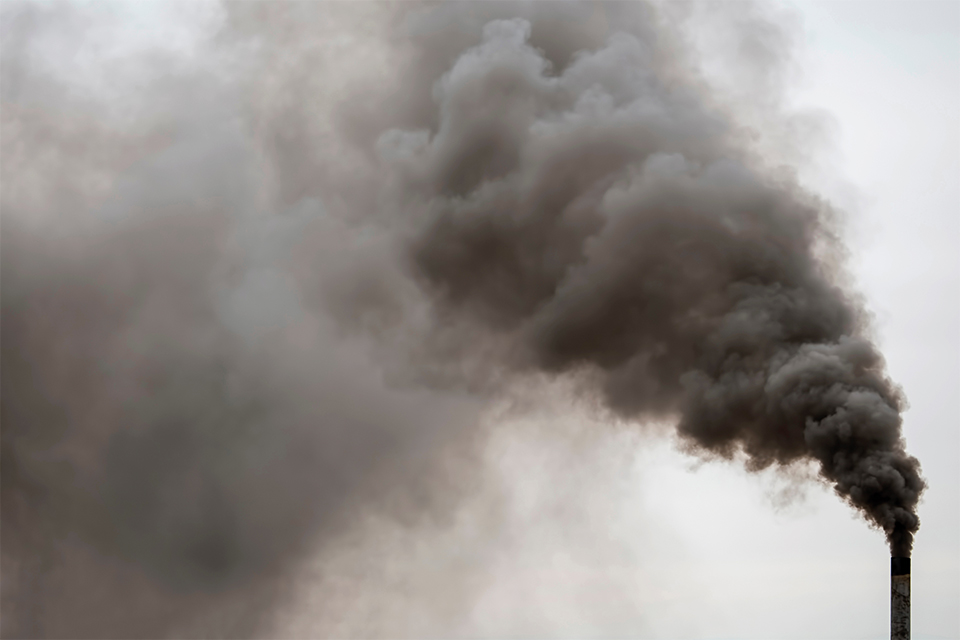
#01 Pollutants in Emissions to Air – What’s in the Smoke?
Back in the nineteenth century or so, industries pouring out smoke through the stacks were considered signs of progress and prosperity. However, that changed when the effects of the emissions became apparent, including smog, acid rain, and respiratory diseases. Nowadays, the smoke is usually much cleaner thanks to more efficient production processes and flue gas treatment, but there’s still smoke. What’s in it?
The presentation is based on facts from the OPSIS blog on this topic. Dialogue and voices are AI generated.